故事讲述刚离婚不久的格雷格(威尔逊饰)遇到了迷人的伊莎贝尔(海耶克饰)。伊莎贝尔住在大街上,认为这个被污染、破败不堪的世界并不是真实的。她相信这个丑陋的世界是在一个美丽、和平、“真实”的极乐世界的内部。起初格雷格表示怀疑,但他最终发现这个理论很有道理。
因为於宇同,附近的男人不能在晚上睡觉!於宇同逃脱之前,她可能因为破坏而被捕。 她逃跑到一个她跌倒的村庄,失去了记忆。 镇上的一名学士找到她并护士回到身体健康。 他告诉於宇同留在他身边,直到她重获记忆。 但是在一个小村庄里,於宇同的美丽的话语迅速蔓延,闪烁着城里人的本能
1858年,在博洛尼亚的犹太区,教皇的士兵闯入了莫塔拉家,按照枢机主教的命令,他们要抢走莫塔拉家的七岁儿子埃德加罗。这个孩子在婴儿时期被保姆秘密洗礼,教皇法律是不容置疑的:他必须接受天主教教育。莫塔拉的父母心痛万分,他们将不惜一切代价取回自己的儿子。在国际犹太社区和舆论 的支持下,莫塔拉家的斗争很快就带上了政治色彩。但是,教会和教皇不会同意归还这个孩子,因为这有助于巩固越来越动摇的权力……
一个陷入瓶颈期的女演员,一个北京胡同孤僻老炮。一个姥姥带大的熊孩子,一个失败中年男人。这分别来自北漂,留守,离异,孤寡的四个人因为一场骗局被迫组成临时的完整家庭。自此上演一段鸡飞狗跳、笑泪交织的人间悲喜剧。他们在理想与现实中困顿,在希望与孤寂里挣扎。在这临时的亲情里回望各自真正的血缘。而在欢声笑语的身后,又有多少不为人知的伤心往事..
暂无内容
本片是苏联伟大卫国战争系列史诗巨片之一部。影片尽情歌颂了苏联人民,在德国法西斯围困列宁格勒的900个艰难的日日夜夜,所表现出来的顽强精神。影片及表现了苏军大本营对列宁格勒的战略布防,也表现出列宁格勒市民面对生死的坚忍不拔。同时也是为数不多的苏联战争影片,客观地表现了战争初期红军失利,以及红军将领伏罗希洛夫元帅组织列宁格勒城防的失败。影片还展现了列宁格勒基洛夫工厂,冒着的德军轰炸,坚持为前线生产武器,以及军队和市民通过城市唯一与外界的通道——拉多加湖通道,运送粮食、武器和其他战略物资的场面。该片还较为详实地展示了希特勒攻占列宁格勒的计划,以及红军与市民联手防御,共同抗敌的画面。这部影片,将战争的全景展示与战壕细节完美地结合起来,直到今天仍不失为一部反法西战争的优秀影片,很值得观赏和借鉴。
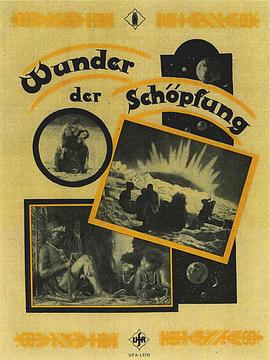
Wunder der Schöpfung is an extraordinary, fascinating Kulturfilm trying to explain the whole human knowledge of the 1920s about the world and the universe. 15 special effects experts and 9 cameramen were involved in the production of this film which combines documentary scenes, historical documents, fiction elements, animation scenes and educational impact. It its beautifully colored, using tinting and toning in a very elaborated way. Some visual ideas in the sequences with a space shuttle visiting different planets in the universe seem to have to be the inspiration for Stanley Kubrick's 2001: A Space Odyssey. In the context of Germany's Kulturfilm phenomenon, Wunder der Schöpfung was among the greatest achievements of the 1920s. The production was constructed, rehearsed, and shot over a period of two and a half years, under the supervision of Hanns Walter Kornblum. The idea to describe the universe and man's place in it well suited UFA's Grossfilm mentality, one year before the Metropolis catastrophe. Hundreds of skilled craftsmen participated in the project, building props and constructing scale models drawn by 15 special effects draughtsmen, while 9 cameramen in separate units worked on the historical, documentary, fiction, animation, and science-fiction sequences. Without star roles or even protagonists, the film's plot is crowded with meticulously structured and skillfully acted single scenes an artful mosaic of small vignettes. No less than four credited university professors ensured the factual background behind the scientific and historical events portrayed. The film's symbol of progress and the new scientific era is a spacecraft, travelling through the Milky Way, making all the planets and their inspiring worlds familiar to us, with the extravaganza of their distinctive features. The film's educational intentions, however, become steadily more obscure, humorous, or even campy as this popularization project proceeds. With the excuse of presenting the end of the world a not-so-new concept as a new, undeniably scientific truth, the film veers happily along a new path, displaying detailed apocalyptic scenes of the end of mankind. For today's audiences, this amazing film demonstrates how the universe was comprehended in the 1920s, and how that view was sold to contemporary audiences.